

WoundEye
Same-day human decision support
Catch it early.
Heal it sooner.
Photograph a wound at home. A qualified clinician reviews it and sends structured, plain-language guidance back to your phone — the same day.
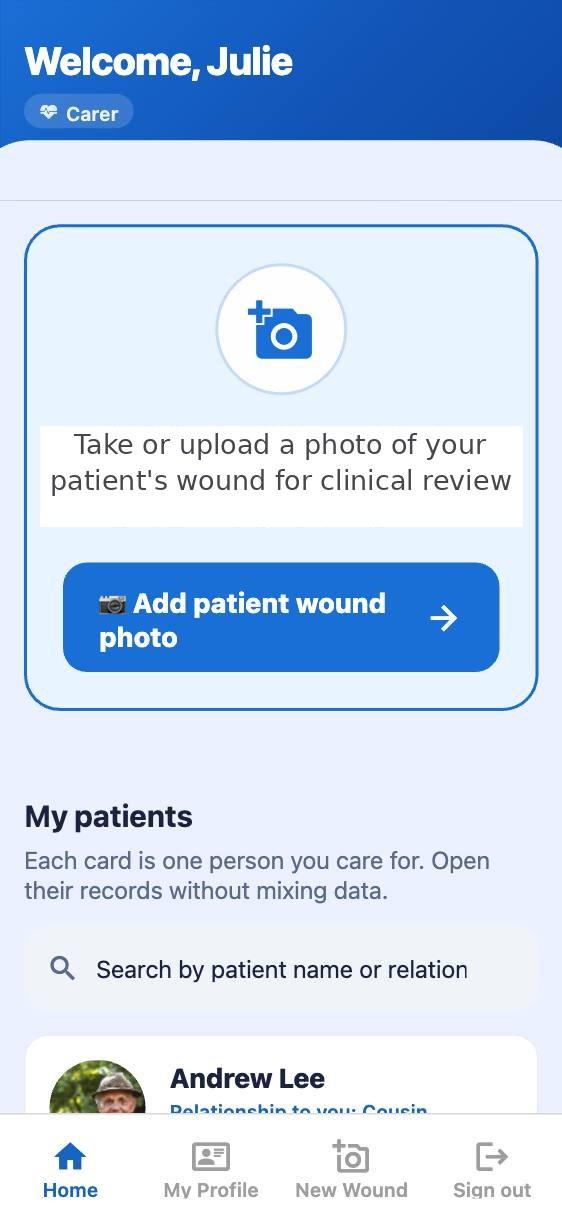
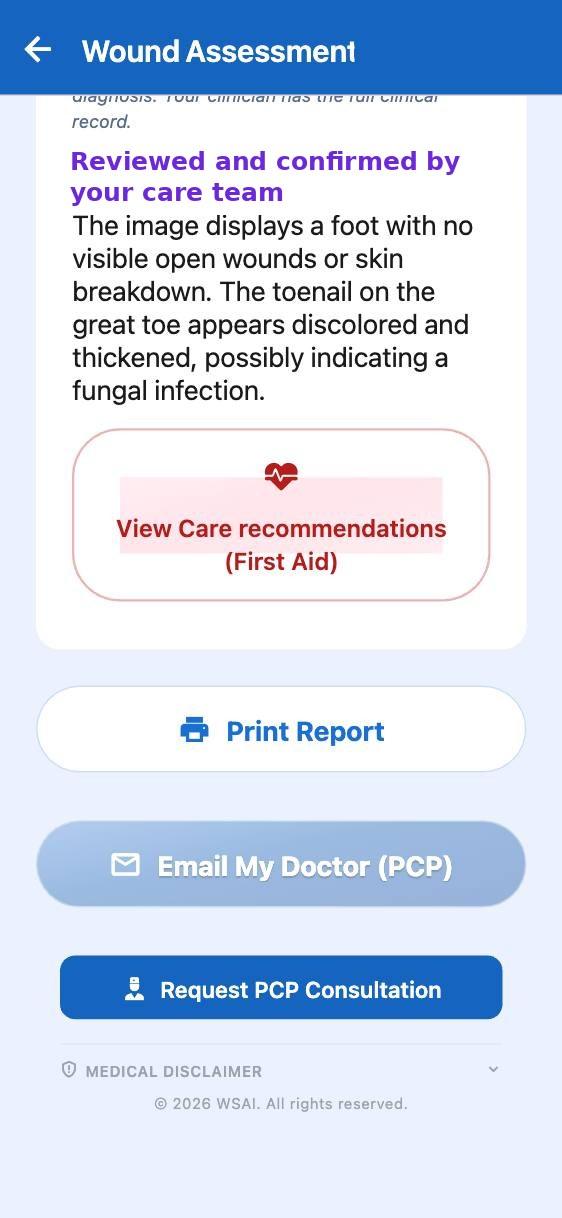
- 1Photo
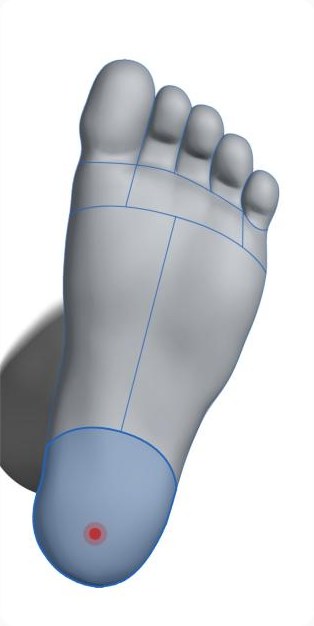
- 2Pin site
- 3Review
- 4Guidance
The burden
Why wound care can't wait
Chronic wounds develop silently and escalate fast. A small foot ulcer noticed late can become an infection, a hospital stay — or an amputation. Each step is costlier and harder to reverse than the one before.
-
The window to act →
Stage 1
Diabetes
Up to a third of people with diabetes will develop a foot ulcer in their lifetime.3
-
Stage 2
Reduced sensation
At least half of adults with diabetes develop peripheral neuropathy, which raises ulcer risk roughly sevenfold.5
-
Stage 3
An unnoticed ulcer
About 1.6 million people in the U.S. are affected by a diabetic foot ulcer each year.6
-
Stage 4
Infection
More than half of diabetic foot ulcers become infected.4
-
Stage 5
Amputation
About 17% of people with a diabetic foot ulcer will need an amputation4 — and ulcers precede 80% of diabetes-related amputations.6
As serious as cancer
A foot ulcer is not a minor problem
A pooled analysis of studies published since 2007 found that five-year mortality after a diabetic foot ulcer matches the average across all cancers — and is higher still after amputation.4
of people die within five years of a major amputation.4
Prevention, early detection and consistent follow-up are where outcomes are decided.
Five-year mortality, %
Healed is not the end
Ulcers come back. Tracking has to continue.
Clinicians describe a healed diabetic foot ulcer as being in remission: the greatest risk factor for a new ulcer is a previous one. That is why WoundEye keeps the photo timeline, the body-map site and the record going long after the wound closes.
Patients & caregivers
How a wound moves through WoundEye
A patient or carer photographs the wound at home. Precision routing sends it to a certified wound specialist, who makes every clinical decision — and the result comes back to the patient and carer in the app.
How it works
From your mobile to a clinician's answer
WoundEye brings the assessment to the wound instead of the wound to the clinic. No kit, no appointment — just the phone you already have.
-
Capture
Guided photo capture at 15–30 cm, with pain score and context in plain language. Carers can manage several family members, kept separate.
-
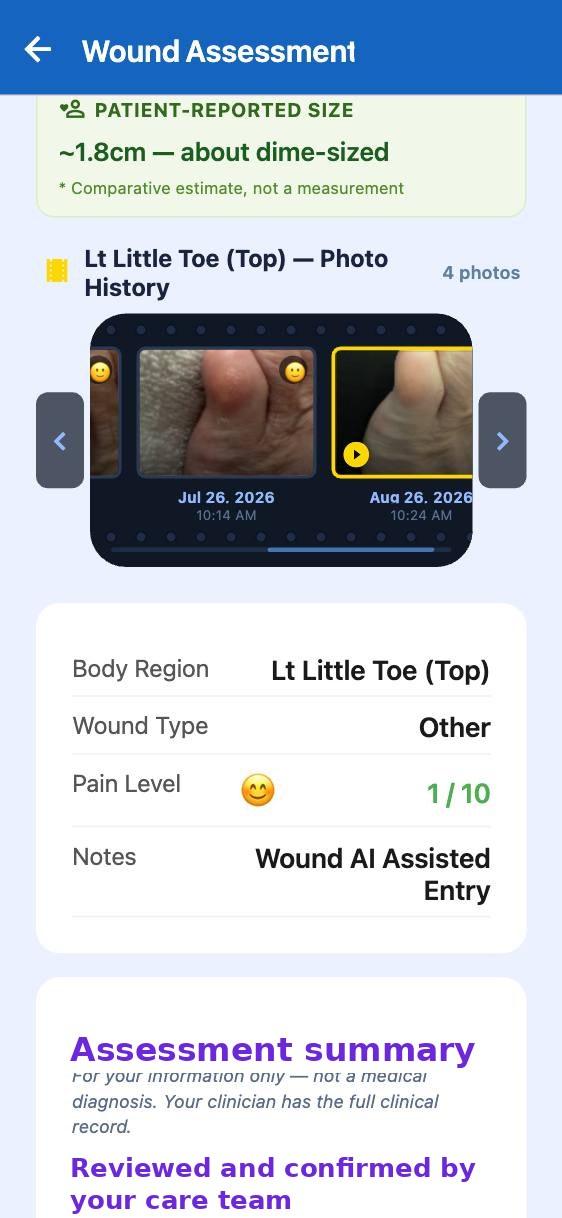
Locate & log
Pin the exact site on the body map. Each photo joins the wound's timeline with a patient-reported size — “~1.8 cm, about dime-sized.”
-
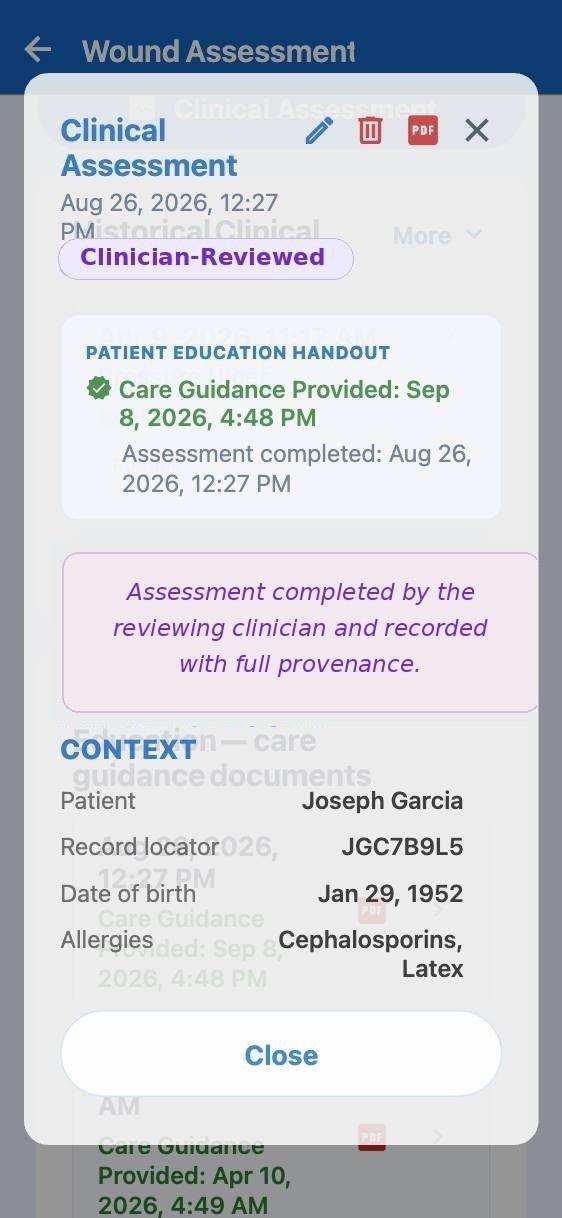
Clinician review
The photo goes securely to your own care team or ours. A qualified reviewer completes a structured assessment, on the record.
-
Guidance & escalation
A plain-language summary arrives the same day, with care recommendations and one-tap escalation to your doctor.

The clinicians behind every answer
AssureStage Clinical Wound Assessments
AssureStage is our team of certified wound specialists. When a WoundEye photo arrives, it is an AssureStage specialist — not software — who looks at the wound and decides what it is and what happens next.
The same team reviews bedside assessments from WoundRounds in hospitals and facilities, catching staging errors, missing measurements and gaps before they reach a survey, a claim or a courtroom.
-
Reviews the photo and its site
A certified wound specialist examines the photograph together with the exact location pinned on the body map.
-
Determines type and stage
The specialist decides what kind of wound it is and how advanced it is, and computes the PUSH healing score.
-
Screens for infection
The specialist screens the wound for signs of infection and flags any suspected infection in the assessment.
-
Sets the follow-up
The result goes back through WoundEye in plain language — what the wound is, what to do tonight, the signs that mean call 911, and the follow-up date.
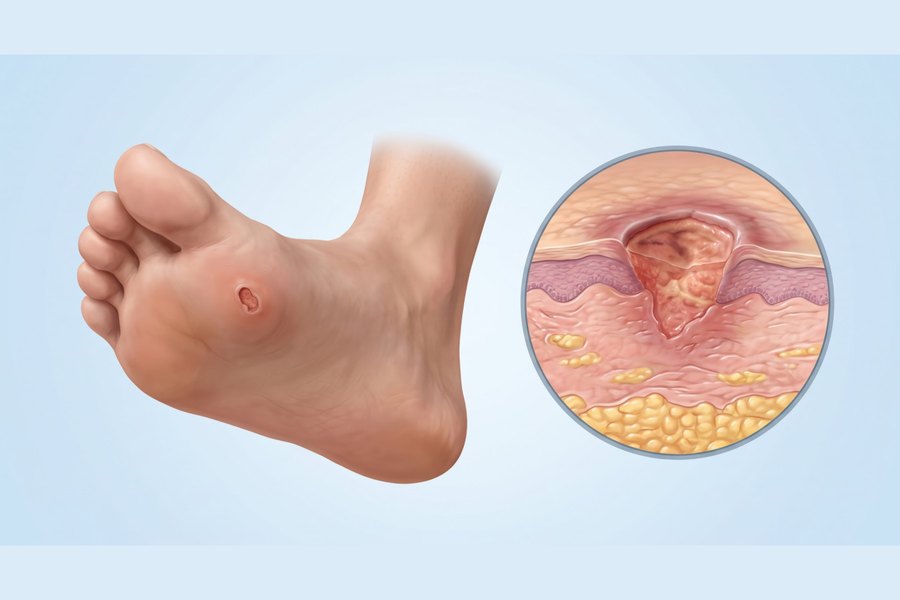
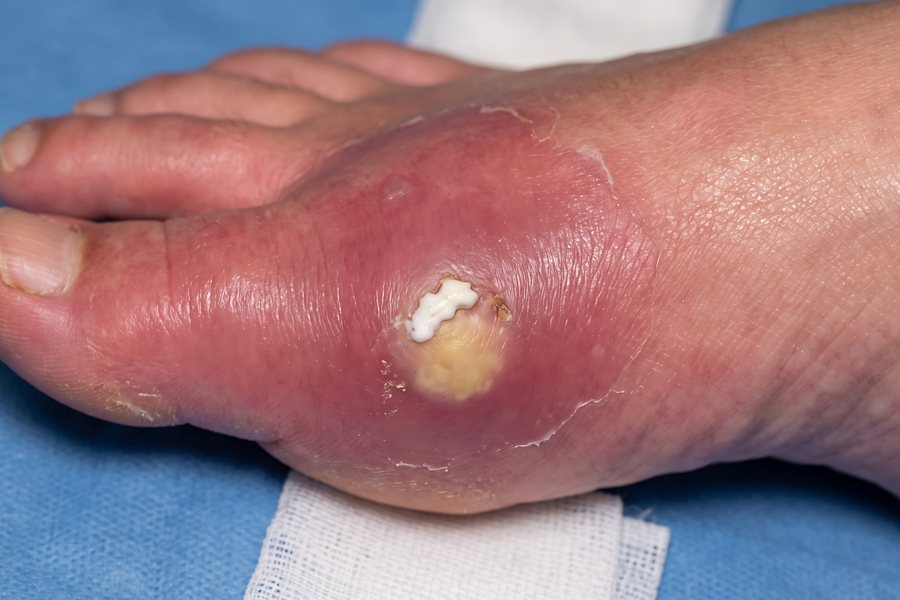
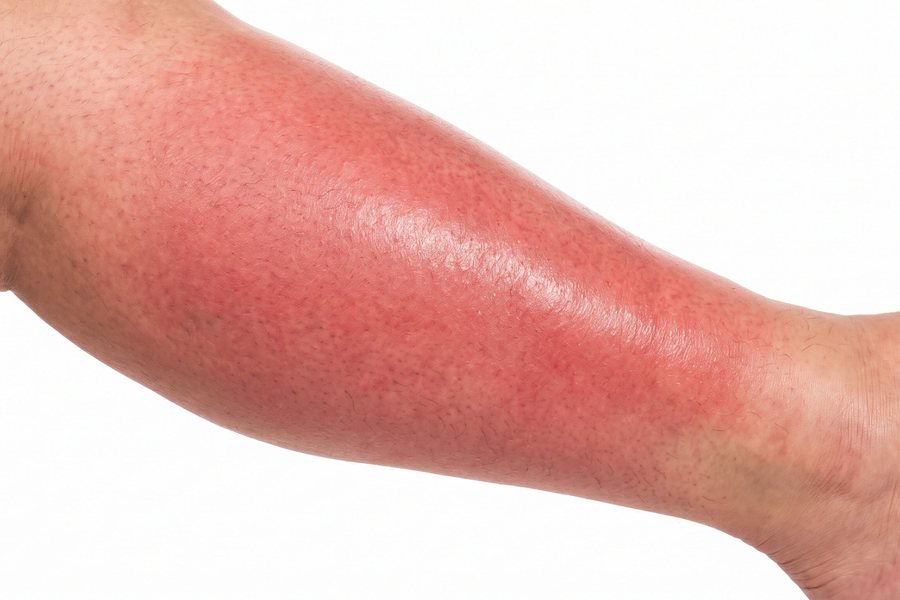
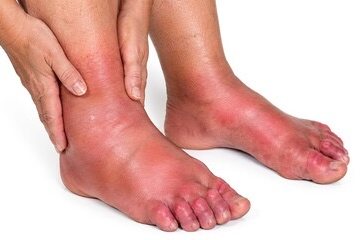
Examples of what a wound specialist looks for. Clinical images are illustrative.
Precision routing
Worklists and clinician coordination
- Check each photo in and confirm it is usable
- File it to the right body site
- Add it to the specialist’s worklist and track it until reviewed
- Send reminders and schedule follow-ups
It simplifies, manages and scales the workflow — and makes no clinical decisions.
AssureStage specialists
Make every clinical decision
- Wound type and stage
- PUSH healing score
- Suspected infection
- Follow-up plan
Every decision is theirs, and the record shows who decided, and when.
Learn more about AssureStage at wounds-ai.com.
The platform
Five modules, one wound record
Designed to help patients, caregivers and clinicians capture, understand and track wound healing — together.
-
01
Wound capture
- Guided photo capture at 15–30 cm
- Body-map location tagging
- Pain score and context in plain language
- Works on any phone — no kit required
-
02
Care assessment
- Structured results in seconds
- Securely forward the picture to your care team or ours
- Receive a structured assessment and advice in the app
-
03
Interactive body map
- Tap the wound's location on a 3D-rendered figure
- Region zooms in for pinpoint placement
- Exact site stored with every record
- Track the same site visit after visit
-
04
Healing trends
- Photo timeline of every wound
- Measurement trends over time
- Red-flag escalation guidance
- Share-ready progress reports
-
05
Clinician governance
- Every wound is assessed by a human
- Overrides logged with rationale and timestamp
- Clinician sign-off on assessments
- Complete audit trail
Interactive body map
Every wound gets an exact address
After the photo, WoundEye asks one question: where is it? Tap the body, open the close-up, and pin the exact spot. The site is saved with the photo, so the same wound can be found, compared and tracked on every visit — and a new wound on the same foot is never confused with an old one.
-
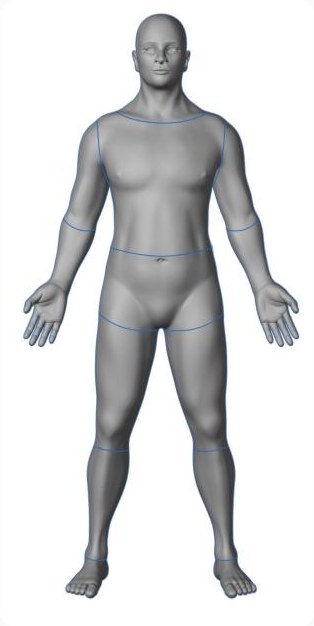
Tap the body
Choose a male or female figure and turn it — front, back, left or right side. Tap the region: head and neck, torso, hips and buttocks, arms, hands, thighs, lower legs or feet.
-
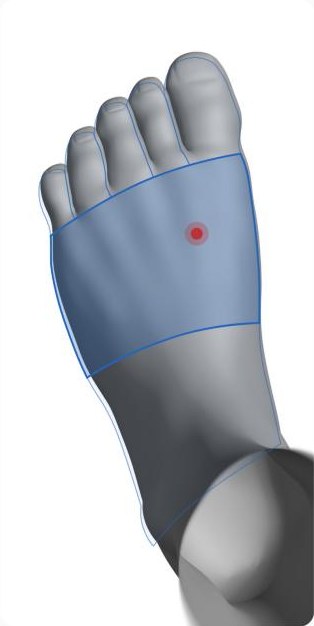
Open the close-up
The region zooms in with its own views — top or sole for a foot; front, outer side, back or inner side for a lower leg — and named anatomical areas to choose from.
-
Pin the exact spot
Tap where the wound is. A pin drops, the area is named — “Selected: Lt Heel” — and the location is stored with the record.
See it in the app
One photo, one pinned site
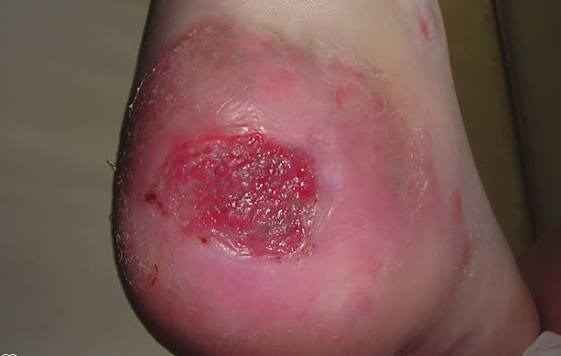
A heel wound photo, pinned on the sole close-up. Choose another site to see how the map handles different parts of the leg and foot.
- 2
- body figures, male and female
- 4
- whole-body views: front, back, left and right side
- 11
- named areas on the sole of each foot, from heel to each metatarsal head and toe
- 1 tap
- to pin the site — stored with every photo, visit after visit
Screens captured from the live WoundEye app. New 3D-rendered figures arrive with V3.
Clinicians
From worklist to signed assessment
Precision routing handles intake, filing and follow-up reminders. Your worklist holds only the photos that need your clinical judgement — and every decision you make is recorded under your name.

For clinicians
A caseload view built for review, not data entry
Organizations, facilities and patients in one place. Each assessment is structured, signed off and kept on the record with full provenance.
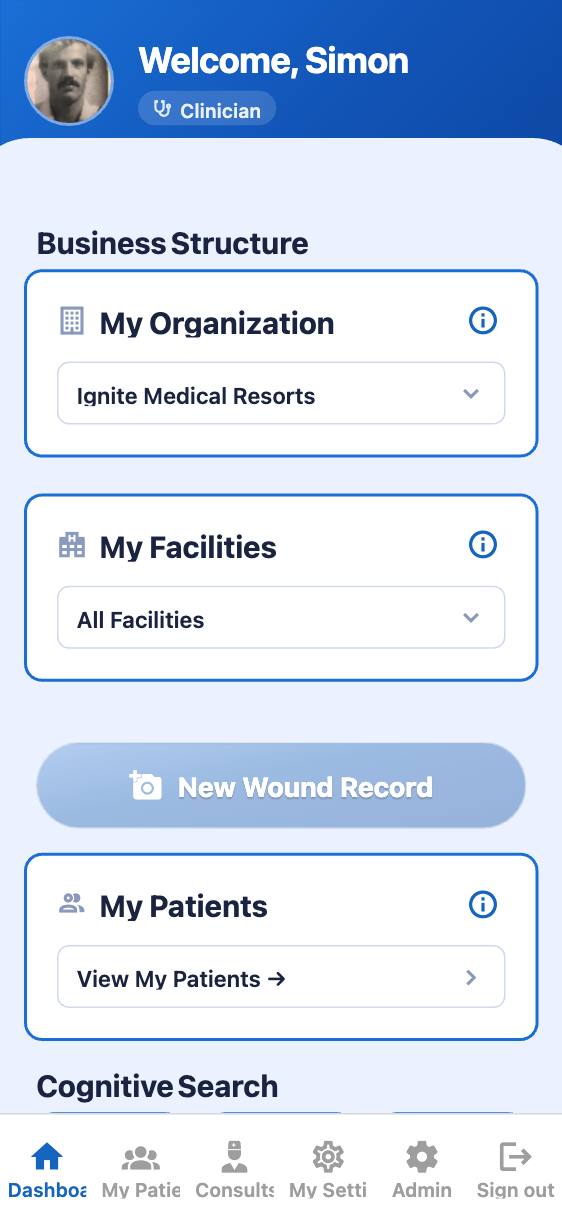
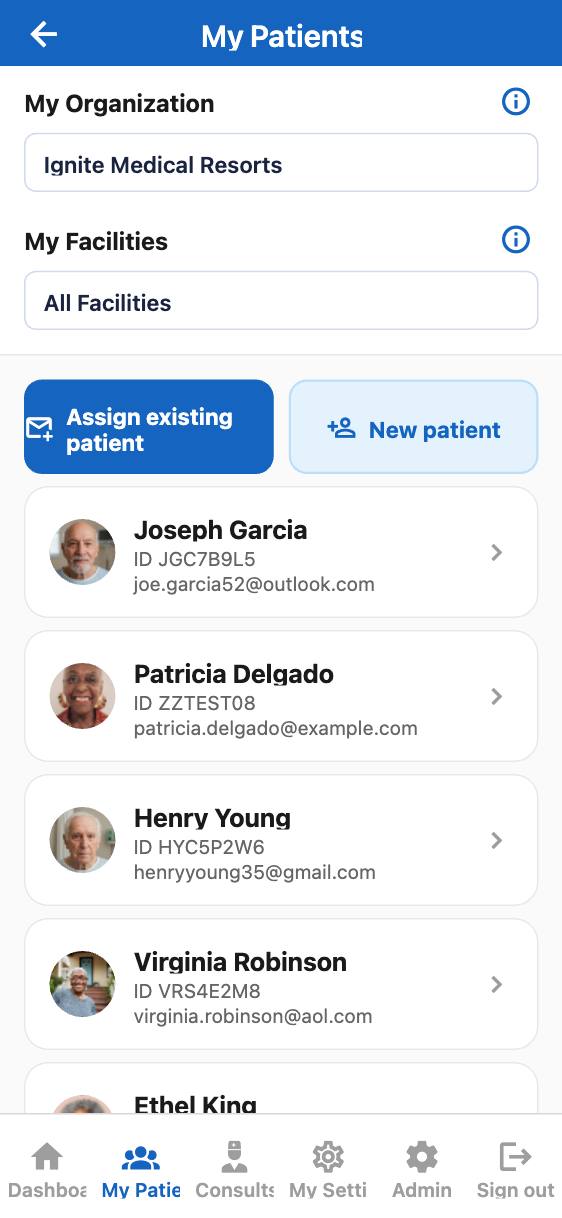
Real screens from the live app at woundtracker.app.
Employers & health plans
Two paths for the same wound
Without WoundEye, a small wound at home often goes unseen until it becomes an admission, a surgery or an amputation. With WoundEye, a clinician sees it the same day, while it is still small. Switch between the paths to compare.
Figures in this simulation: 10.5 million Medicare beneficiaries with a chronic wound;1 46% of Medicare patients referred to home health care at discharge receive no visit within 14 days;11 a diabetic foot ulcer adds about $11,710 a year (Medicare) and $16,883 (private insurance) in costs.7
Who it's for
Built for the people who carry the cost of wounds
Diabetic foot ulcers alone add an estimated $9–13 billion a year to U.S. health spending, on top of the cost of diabetes itself.7
B2C
Consumers & caregivers
Manage a wound at home with plain-language guidance and an expert second look — free to start.
- Free: photo log, estimated wound measurement, one wound
- Pro $59–$99/yr: estimated wound measurement, healing trends, clinician sharing
- Caregiver $9.99/mo: multi-patient and family access
B2B
Self-insured employers
67% of covered U.S. workers are in self-funded plans8 — and frontline workforces carry the highest diabetic foot ulcer risk.
- Mobile wound checks reach workers who can't take clinic time
- DFU carve-out fits existing chronic-care programs
- A diabetic foot ulcer adds about $16,900 a year in costs for a privately insured patient7
- Deploys alongside diabetes and MSK benefits
MA
Medicare Advantage plans
About 35 million people — more than half of eligible beneficiaries — are now in Medicare Advantage.9 Skin integrity is a quality measure.

Integrations
Data interfaces & EHR readiness
Enterprise-grade foundations, ready to connect to clinical workflows — so a wound photo taken at a kitchen table can land in the chart.
FHIR R4
Structured export in FHIR R4, JSON and CSV — EHR-ready by design.
Pull API & webhooks
RESTful pull API plus HMAC-signed webhooks for event-driven integration.
Multi-tenant core
PostgreSQL row-level security, JWT auth, role-based access. Enterprise-grade isolation.
Audit trail
Every significant action logged — what happened, when, by whom.
One codebase, three modes
React Native / Expo: consumer, employer and clinical modes on iOS, Android and web from a single build.
White-label ready
Multi-tenant architecture supports partner branding and channel deployment.
Trust & security
Clinician-governed, privacy-first
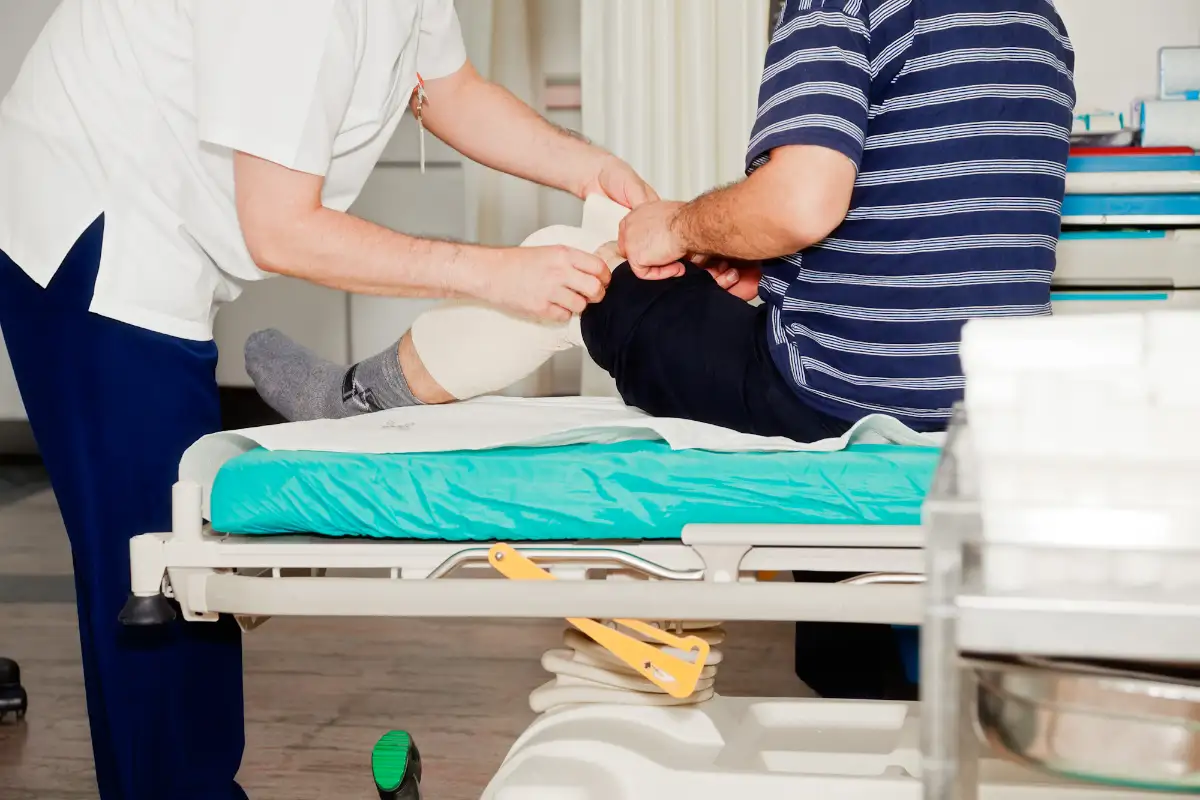
Software supports the review. People make the call.
- Clinicians govern
- Each assessment is completed by a qualified reviewer, and any change is recorded with rationale, on the record.
- Honest compliance posture
- The architecture is HIPAA-ready and completion is underway: BAAs, controls, documented data flow and restore drills precede clinical deployment.
- Your data, yours
- Your records are exportable and deletable. No advertising, no data resale.
- Wellness first
- WoundEye launches as a wellness product with clear, honest labeling — clinical claims only when the evidence and clearances exist.
Strategic partner — coming soon
WoundEye + LaterPath: prevention to treatment
LaterPath flags metabolic risk 18 months to a decade before a wound appears. WoundEye manages the wound when it does.
- Stage
- Flag
- Assess
- Manage
Together: one patient record.
Questions
Frequently asked
Is WoundEye for emergencies?
No. Do not wait for a WoundEye answer if you or the person you care for has any of these signs — call 911 or go to the emergency room:
- Fever, chills or shivering, or feeling very cold, with a wound
- Confusion, unusual sleepiness, a fast heartbeat, fast breathing or shortness of breath
- Clammy or sweaty skin, or extreme pain
- Red streaks spreading out from the wound
- Bleeding that does not stop with firm pressure
These can be signs of a serious infection or sepsis, which is a medical emergency.
When should I contact my doctor instead of waiting?
Contact your doctor or care team the same day if a wound shows signs of infection or is getting worse: redness, warmth or swelling that is spreading; pus or cloudy, yellow or green drainage; a bad smell; pain that is increasing; a wound that is getting bigger; or skin around it turning blue, black or very dark. You can still send a photo through WoundEye, but don’t let it delay that call.
I have diabetes. Is there anything I should do differently?
Yes. Diabetes can reduce feeling in the feet, so an injury may not hurt. Check your feet every day, including between your toes — use a mirror or ask someone to help. Contact your doctor promptly about any foot sore, blister, cut or crack, and don’t try to treat a foot ulcer at home. Have your feet examined by your doctor or a podiatrist at least once a year. WoundEye can help you photograph and track a foot wound, but it does not replace seeing your own care team.
Who actually looks at my wound?
A qualified clinician — a certified wound specialist on the AssureStage team, or your own care team if you choose to share with them. Every assessment is completed and signed off by a person, and any change is logged with the reason and the time.
How quickly will I hear back?
The app shows general care information as soon as you submit a photo. This is not a clinical assessment. A clinician’s structured assessment is returned to your phone the same day. If the wound changes or you become worried before then, contact your doctor — and for the emergency signs above, call 911.
Does WoundEye diagnose or treat wounds? Does it replace my doctor?
No. The WoundEye app is a wellness product. It does not diagnose, treat, cure or prevent any disease, and it is not a substitute for your own doctor or care team. Use WoundEye alongside your regular care, share the results with your doctor, and always follow the advice of the clinicians who are treating you in person.
Do I need special equipment?
No kit is required. WoundEye works on any iPhone, Android phone or web browser and guides you to take the photo from 15–30 cm away. Good, even lighting helps the clinician see the wound clearly.
Can I manage wounds for a family member?
Yes. The Caregiver plan gives access for several family members, with each person’s records kept safely separate. Please ask the person for their permission before photographing their wound and sharing it.
What happens to my photos and data?
Your records are yours. You can export them and ask for them to be deleted. WoundEye shows no advertising and never sells your data.
About
About WoundEye
WoundEye is built by Wound Solutions AI — a production platform available today, with same-day expert wound assessment, an auditable clinical workflow, and a body-map experience designed with medical illustrators.
Our mission: make expert-grade wound assessment available wherever the wound is.
Bring expert wound assessment to wherever the wound is.
Sources
References
- Carter MJ, DaVanzo J, Haught R, et al. Chronic wound prevalence and the associated cost of treatment in Medicare beneficiaries: changes between 2014 and 2019. J Med Econ. 2023;26(1):894–901. doi:10.1080/13696998.2023.2232256
- National Institute of Diabetes and Digestive and Kidney Diseases. Reducing disparities in diabetic amputations. Diabetes Discoveries & Practice, 2021. niddk.nih.gov
- Armstrong DG, Boulton AJM, Bus SA. Diabetic foot ulcers and their recurrence. N Engl J Med. 2017;376:2367–75. doi:10.1056/NEJMra1615439
- Armstrong DG, Swerdlow MA, Armstrong AA, Conte MS, Padula WV, Bus SA. Five year mortality and direct costs of care for people with diabetic foot complications are comparable to cancer. J Foot Ankle Res. 2020;13:16. doi:10.1186/s13047-020-00383-2
- McDermott K, Fang M, Boulton AJM, Selvin E, Hicks CW. Etiology, epidemiology, and disparities in the burden of diabetic foot ulcers. Diabetes Care. 2023;46(1):209–221. doi:10.2337/dci22-0043
- Armstrong DG, Tan TW, Boulton AJM, Bus SA. Diabetic foot ulcers: a review. JAMA. 2023;330(1):62–75. PMC10723802
- Rice JB, Desai U, Cummings AKG, Birnbaum HG, Skornicki M, Parsons NB. Burden of diabetic foot ulcers for Medicare and private insurers. Diabetes Care. 2014;37(3):651–8. doi:10.2337/dc13-2176
- KFF. 2025 Employer Health Benefits Survey. October 2025. kff.org
- KFF. Medicare Advantage in 2026: enrollment update and key trends. 2026. kff.org
- Agency for Healthcare Research and Quality. Preventing pressure ulcers in hospitals: implementation guide, Appendix F (national average cost per stage 3+ hospital-acquired pressure injury). ahrq.gov
- Li J, Qi M, Werner RM. Assessment of receipt of the first home health care visit after hospital discharge among older adults. JAMA Netw Open. 2020;3(9):e2015470. doi:10.1001/jamanetworkopen.2020.15470